Every smartphone, laptop, or smartwatch you pick up is powered by a tiny slab of silicon that went through billion-dollar factories and nearly perfect manufacturing processes—nearly, but not quite. A growing body of reports indicates that Apple, among many other companies, is shipping products that house chips originally intended for higher-end devices but found to have minor imperfections. Far from being a scandal, this practice is a cornerstone of modern electronics manufacturing and sustainability.
What Exactly Is a “Defective” Chip?
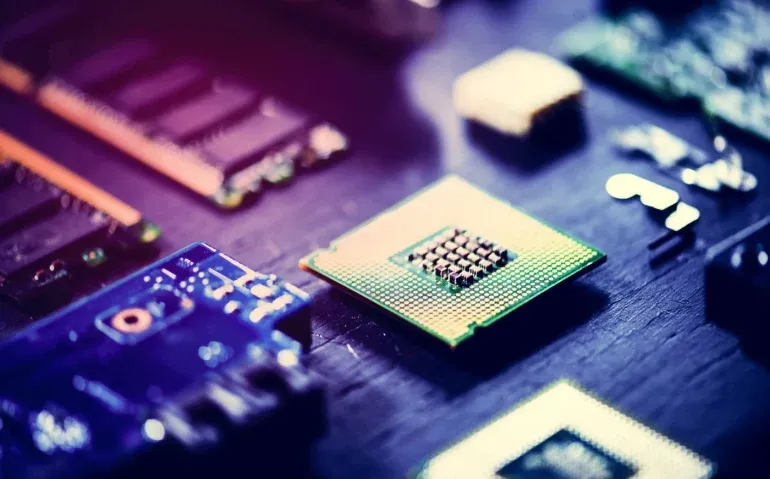
In semiconductor jargon, “defective” rarely means “non-functional.” Most chips emerge from the fabrication line with one or two parts that do not meet the strictest performance or power targets. Rather than discarding the entire wafer, engineers disable the underperforming sections—often individual CPU or GPU cores—so the remaining circuitry operates perfectly within a slightly lower specification.
Examples of Common Imperfections
• A CPU core that cannot sustain the highest clock speed
• A GPU execution unit that leaks too much current
• A fast AI accelerator block that runs marginally hotter than allowed for a flagship phone
The Industry Practice of “Binning”
Chipmakers sort silicon into performance “bins.” A wafer that yields 100 physical chips might be divided as follows:
• Premium tier: 25 flawless chips run at maximum speeds.
• Mid-range tier: 50 chips with a disabled core or lower voltage tolerance.
• Entry tier: 25 chips with multiple disabled units, still perfectly suited for budget devices.
This strategy maximizes the usable output of an astronomically expensive manufacturing process, keeping prices in check and reducing electronic waste.
Apple’s Reported Use in Its Latest MacBook Air
According to supply-chain analysts, Apple’s newly refreshed MacBook Air lines incorporate M-series chips that were originally slated for the more powerful MacBook Pro. When certain GPU cores failed to hit Pro-level targets, Apple permanently fused those cores off, turning the same silicon into a lower-cost “8-core GPU” variant rather than the full “10-core GPU” flagship.
Why Apple—and Everyone Else—Does This
• Cost Efficiency: Salvaging semi-imperfect dies means higher overall yield and lower component costs.
• Sustainability: Each 300 mm wafer embodies immense energy and water use. Binning saves chips from heading straight to a landfill.
• Product Diversity: A single architecture can serve high-end, mid-range, and budget markets without separate design spins.
Is There Any Downside for Consumers?
For everyday users, the difference is almost invisible. A fused-off GPU core might shave a few percentage points off benchmark scores, but battery life, thermals, and software experience remain excellent. More importantly, you pay less for hardware that is certified to work within its stated limits.
Environmental Impact: Less Silicon, Less Waste
Semiconductor fabs are among the most resource-intensive facilities in the world. By reusing chips that would once have been scrapped, manufacturers cut down on:
• Raw material consumption
• Hazardous chemical waste
• Energy expenditure per functional device
The practice dovetails neatly with global initiatives to reduce e-waste and reach net-zero manufacturing goals.
Takeaway
The next time you hear that your phone or laptop uses a “defective” chip, remember: that label simply means the silicon was optimized to serve you at a better price point and a lower environmental cost. It is a triumph of engineering pragmatism, not a compromise in quality.