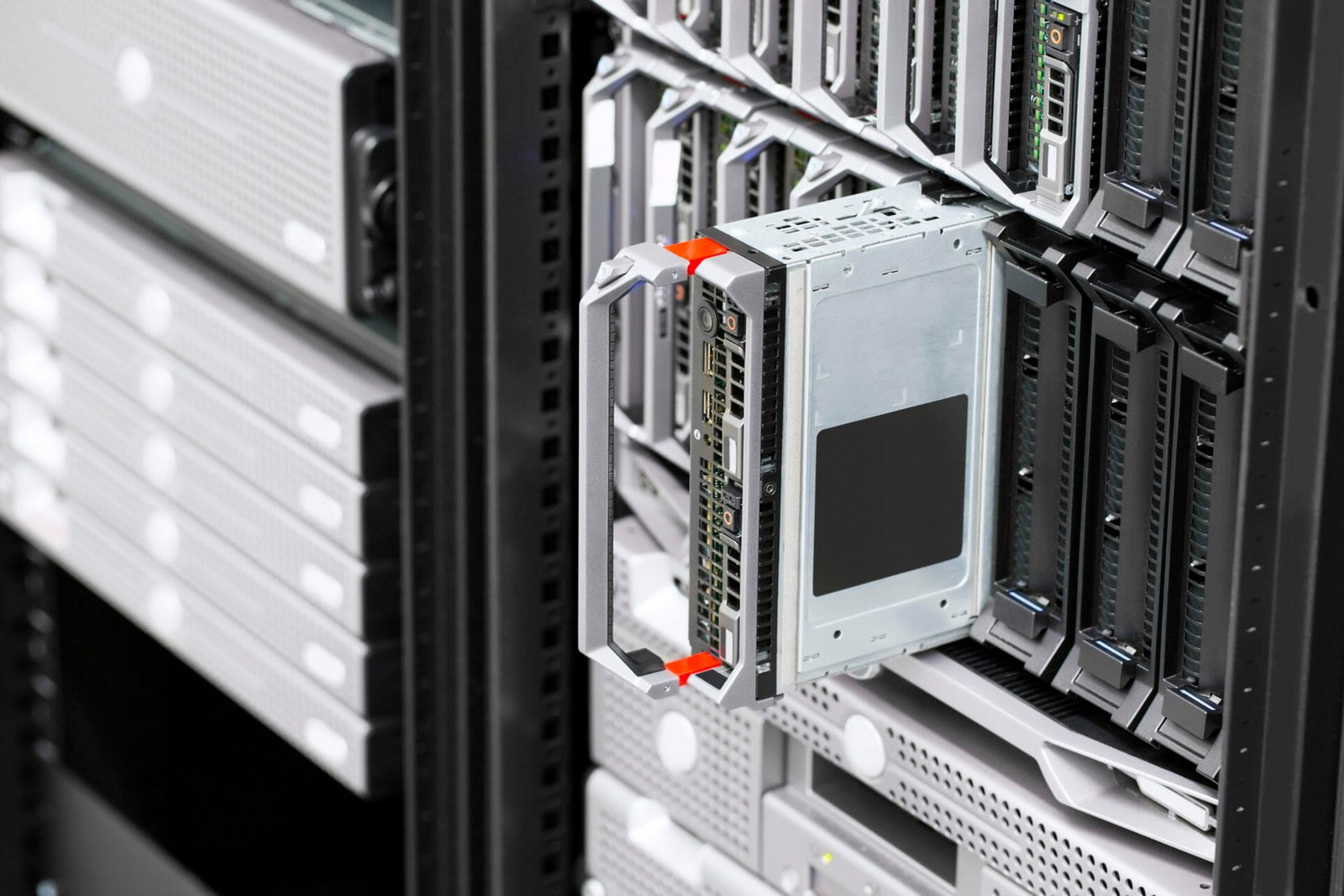
In the world of Canadian enterprise tech, “legacy system” is often treated as a dirty word. Yet, these systems—whether they are decade-old COBOL mainframes or early .NET monoliths—remain the backbone of many successful organizations.
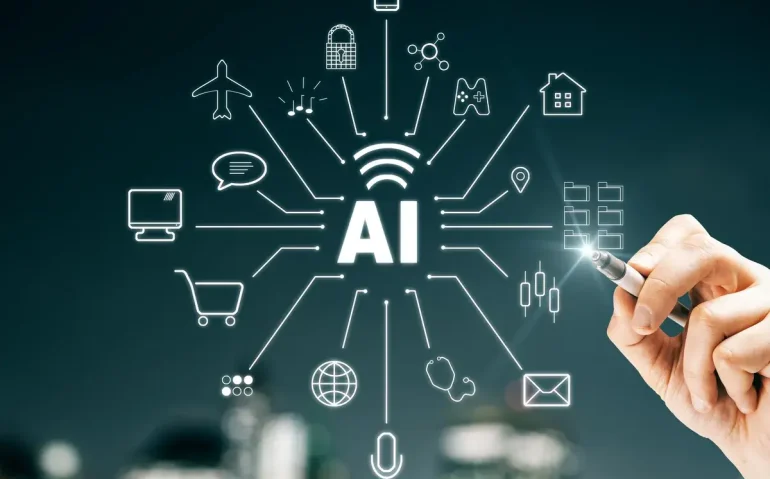
The pressure to integrate Artificial Intelligence (AI) is immense. However, rushing the integration often leads to “Frankenstein” architectures: a modern AI layer crudely stitched onto an old core, creating a mountain of technical debt.
Here is how you can modernize your stack with AI while keeping your codebase clean and maintainable.
1. The Strategy: Don’t Rebuild, Decouple
The biggest mistake leads to technical debt: trying to hard-code AI logic directly into the legacy monolith. Instead, treat AI as an external microservice.
Use the “Strangler Fig” Pattern
Instead of a total system overhaul, identify specific functionalities (like data processing or customer support) and wrap them in a modern API.
- The Goal: Gradually replace legacy components with AI-enhanced services until the old system is “strangled” and replaced by a leaner, smarter architecture.
2. Infrastructure: The API-First Approach
Legacy systems often lack the computational power or the libraries required to run Large Language Models (LLMs) locally. To avoid debt:
- Build a Middleware Layer: Create a “bridge” (using Python or Node.js) that handles communication between your legacy database and the AI API (like OpenAI, Vertex AI, or Bedrock).
- Standardize Data Formats: Ensure your middleware converts legacy data (CSV, XML, or flat files) into clean JSON before it touches the AI.
3. Data Integrity: The “Garbage In, AI Out” Problem
AI is only as good as the data it consumes. Legacy systems are notorious for siloed, messy, or duplicated data. Integrating AI without cleaning this data creates Data Debt.
| Legacy Challenge | AI Solution | Prevention Strategy |
| Inconsistent Schemas | Vector Databases | Implement a data validation layer. |
| Hard-coded Logic | Prompt Engineering | Move business rules out of the code and into the AI layer. |
| Siloed Data | RAG (Retrieval-Augmented Generation) | Use RAG to query across multiple old databases without merging them. |
4. Prioritize Security and Compliance
For Canadian firms, data residency and PIPEDA compliance are non-negotiable.
- Avoid Public Models for Sensitive Data: If your legacy system handles PII (Personally Identifiable Information), use Private LLM instances or VPC-isolated environments.
- Audit Trails: Ensure your AI integration logs every interaction. Technical debt often hides in “black box” systems where developers don’t know why the AI made a specific decision.
5. Maintenance: Monitoring the Drift
Unlike traditional code, AI models “drift” over time. Their performance can degrade as data patterns change.
- CI/CD for AI: Treat your prompts and model versions like source code.
- Automated Testing: Implement unit tests that check if the AI’s output still aligns with the legacy system’s expected parameters.
The Verdict: Evolution over Revolution
Integrating AI into a legacy system isn’t about replacing the old; it’s about augmenting it. By using middleware, decoupling services, and focusing on data quality, you can leverage the power of 2026 AI without being haunted by the code of 2006.
Is your organization ready to bridge the gap? The key is to start small—solve one bottleneck today to prevent a technical debt crisis tomorrow.