
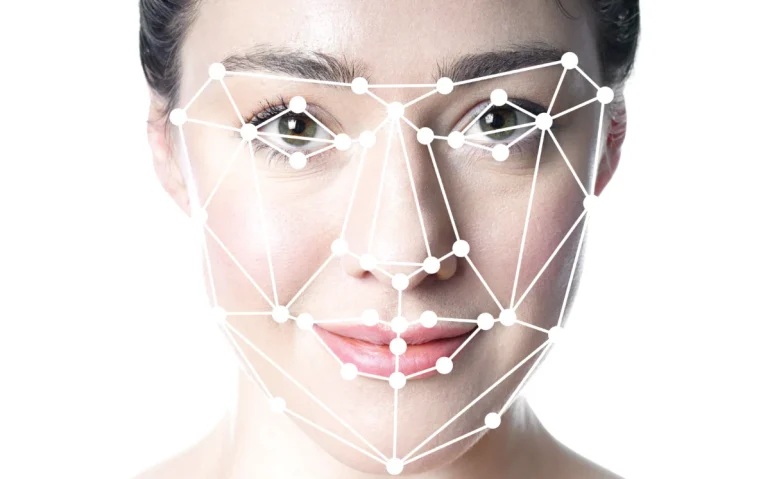
ChatGPT face rating prompts are suddenly everywhere, and for good reason. One of the most viral ChatGPT use cases right now is surprisingly simple: upload a selfie, ask it to rate your face out of 10, and get back a score plus a breakdown of strengths, weaknesses, and improvement tips. It is fast, weirdly detailed, and just uncomfortable enough to make people try it.
That combination is exactly why this trend has exploded. It taps into curiosity, vanity, self-improvement, and a little bit of shock value all at once. You ask a machine for a number, and instead of giving a throwaway answer, it often responds like a full appearance audit.
If you have seen people posting AI attractiveness scores or sharing screenshots of ChatGPT judging their face, this is the mechanic behind it.
Why this ChatGPT prompt went viral so quickly
Most viral AI prompts blow up because they are either useful, funny, or slightly chaotic. This one hits all three.
The basic interaction is incredibly easy:
- Take a selfie or grab a screenshot.
- Upload it into ChatGPT.
- Ask it to rate your face out of 10.
That is it. There is no complex workflow, no special plugin, and no long setup. The simplicity is a huge part of the appeal.
But what really makes it sticky is the result. Instead of just returning a number, ChatGPT can provide a more structured assessment. In the example that sparked attention, the score landed somewhere around the high sevens, which felt surprisingly harsh for something that was expected to be flattering. That gap between expectation and result is part of what makes people share it.
People do not just want praise. They want to know how the AI justified the answer.
What ChatGPT actually gives you
When this prompt works as intended, the output is more than a one-line opinion. It can break the response into a few distinct parts that make it feel more “real” than a random rating.
1. An overall score
The most obvious part is the out-of-10 rating. This is the headline number people post and compare.
Whether the score feels generous or brutally honest, that single number drives the emotional reaction. Even if someone says they are doing it for fun, most people still care more than they expect to.
2. Strengths
ChatGPT may identify positive facial features or qualities that stand out. This can include overall symmetry, facial structure, expression, skin presentation, or general visual balance. The strengths section helps explain why the score is not arbitrary.
3. Areas to improve
This is where the prompt starts feeling “scary” to a lot of people. Instead of stopping at a rating, ChatGPT may point out perceived weak spots or features that lower the overall score. That can make the interaction feel much more personal than expected.
Even when the feedback is framed politely, it still lands like critique.
4. Practical tips
Another reason this trend took off is that ChatGPT often goes beyond judgment and offers suggestions. Rather than simply saying what it likes or dislikes, it can recommend ways to improve presentation in future photos.
That can make the prompt feel less like a roast and more like a mini consultation.
5. Category breakdown
The most interesting part may be the scoring framework. Instead of one vague answer, ChatGPT can split its reasoning into categories and show how it arrived at the final number.
This category-by-category breakdown gives the response an illusion of methodology. Whether or not the scoring is truly objective, it feels systematic, and that makes it much more compelling.
Why the result feels more intense than expected
Asking AI to rate your face sounds like a joke until the answer comes back with confidence.
That is the psychological twist behind the trend. A casual prompt turns into a detailed assessment, and suddenly it does not feel like harmless experimentation anymore. It feels like being evaluated.
There are a few reasons this lands so hard:
- Numbers feel definitive. Even when a rating is subjective, a score implies precision.
- Breakdowns sound authoritative. Categories and explanations make the output seem more credible.
- AI feels emotionally neutral. People often assume the machine is more honest than a person would be.
- Appearance is personal. Feedback about your face is always going to hit differently than feedback about a resume or caption.
That is what makes this use case both fascinating and slightly unsettling. It is not just entertainment. It brushes up against self-image.
How to try the viral ChatGPT face rating prompt
If you want to test it yourself, the workflow is simple.
Step 1: Choose a clear image
Use a selfie or screenshot where your face is easy to see. A sharper image will usually produce a more detailed response. Good lighting and a straight-on angle can also help the AI comment more specifically.
Step 2: Upload the image to ChatGPT
You will need a version of ChatGPT that supports image input. Upload the photo directly into the chat.
Step 3: Use a direct prompt
A simple prompt works best. For example:
- Rate my face out of 10.
- Rate my appearance out of 10 and explain why.
- Give me a face rating with strengths, weaknesses, and improvement tips.
The more specific the prompt, the more structured the answer may be.
Step 4: Ask for a deeper breakdown
If you want the full viral-style output, follow up with requests such as:
- Break down the score by category.
- What are my strongest facial features?
- What could improve my presentation in photos?
This usually pushes ChatGPT from a simple rating into a more layered analysis.
What makes this prompt so shareable
Viral AI trends need one key ingredient: instant reaction. This one delivers it immediately.
There are a few reasons people keep posting their results:
- It is personal. Everyone wants to know what score they will get.
- It is easy to replicate. No learning curve, no technical barrier.
- It creates tension. People expect validation and do not always get it.
- It produces content. Screenshots of ratings and category breakdowns are perfect for short-form posting.
That last point matters. The output is naturally formatted for social sharing. A rating, a list of strengths, and a list of fixes gives people something immediate to react to.
Is ChatGPT actually good at rating attractiveness?
This is where it helps to stay grounded.
ChatGPT can generate a face rating response, but that does not mean it has a universal or scientific definition of attractiveness. The score is still a generated judgment based on patterns, language, and the prompt itself.
In other words, it can sound confident without being objective.
The category breakdown may make the response feel analytical, but it is still important to remember that beauty standards are subjective and culturally influenced. An AI-generated number is not a final truth about anyone’s appearance.
That does not make the prompt useless. It just means it should be treated as novelty or light feedback rather than a serious personal metric.
Why people trust AI feedback more than they probably should
One of the stranger parts of this trend is how quickly people give emotional weight to an AI score.
There is a common instinct to assume a machine is less biased than a person. If a friend rates your appearance, you might suspect they are being nice. If AI does it, the answer can feel more “honest,” even if it is still highly interpretive.
That perceived neutrality is powerful. It is also why this prompt feels more intense than asking another person the same question.
But neutrality is not the same as truth. AI outputs are shaped by training data, prompt design, and probabilistic language generation. A polished answer can still be shallow.
The uncomfortable side of the trend
Calling this viral prompt “scary” is not just clicky wording. There is a real reason that label fits.
Appearance-based scoring is emotionally loaded. Once AI can turn a casual selfie into a number, strengths list, and improvement plan, it starts to blur the line between fun experimentation and algorithmic judgment.
That matters because:
- Some people may take the score too seriously.
- Negative feedback can hit harder when it feels machine-generated and “objective.”
- Repeated use can reinforce unhealthy comparison habits.
Even when the result is framed lightly, appearance scoring is never completely neutral. If you try it, it helps to keep emotional distance from the answer.
How to use this prompt in a smarter way
If you are curious but do not want to fall into the trap of obsessing over a number, there is a better approach.
Instead of focusing only on the score, use the prompt to get practical photo feedback.
For example, you can ask ChatGPT to comment on:
- Lighting
- Angles
- Expression
- Presentation
- General photo quality
That shifts the exercise away from personal value and toward image presentation. It becomes less about “How attractive am I?” and more about “How can I take a better photo?”
That is a much healthier use case, and often a more useful one too.
Prompt variations you can try
If you want a more useful result than a blunt out-of-10 rating, try adding context.
- For profile photos: Rate this photo for a professional profile and suggest improvements.
- For social media: Analyse this selfie for social media appeal and give practical tips.
- For dating apps: Evaluate how strong this photo is as a dating profile image.
- For style feedback: Tell me what stands out positively in this photo and what I could improve.
These variations can produce feedback that is more actionable and less emotionally loaded than a pure attractiveness rating.
The big takeaway
The viral ChatGPT face rating trend is popular because it is frictionless, personal, and surprisingly detailed. You upload a selfie, ask for a score, and get something that feels far more analytical than expected. That combination makes it entertaining, shareable, and a little unnerving.
The “scary” part is not just that AI can rate your face. It is that it can do it in a structured way that feels convincing enough to matter emotionally.
If you try it, keep perspective. Use it for curiosity, content, or maybe some practical photo tips. Just do not confuse a generated rating with a real measure of worth.
If you are into smart AI use cases and viral prompts that reveal where these tools are heading, this is exactly the kind of experiment worth paying attention to.
Have you tested the prompt yourself? Share your experience, compare results, and explore more AI prompt ideas that are actually worth trying.
FAQ
How do I get ChatGPT to rate my face out of 10?
Upload a clear selfie or screenshot into a version of ChatGPT that supports image input, then ask it to rate your face out of 10. You can also request strengths, weaknesses, tips, and a category breakdown.
Why is the ChatGPT face rating prompt going viral?
It is easy to use, highly personal, and produces detailed results that people want to share. The mix of a simple score and a deeper explanation makes it especially attention-grabbing.
Is ChatGPT’s face rating accurate?
Not in any objective or scientific sense. The response may sound confident and structured, but attractiveness is subjective. Treat it as a novelty or light feedback, not a final judgment.
What kind of feedback does ChatGPT give besides a score?
It can explain perceived strengths, point out areas to improve, suggest practical tips, and break the rating into categories to show how it arrived at the result.
Why does this prompt feel so intense?
Because it turns a very personal topic into a number. When AI presents that number with reasoning and categories, it can feel more authoritative than it really is.
Is there a better way to use this prompt?
Yes. Instead of focusing on attractiveness, ask for feedback on lighting, angle, expression, and photo presentation. That usually gives you more practical and less emotionally loaded advice.