
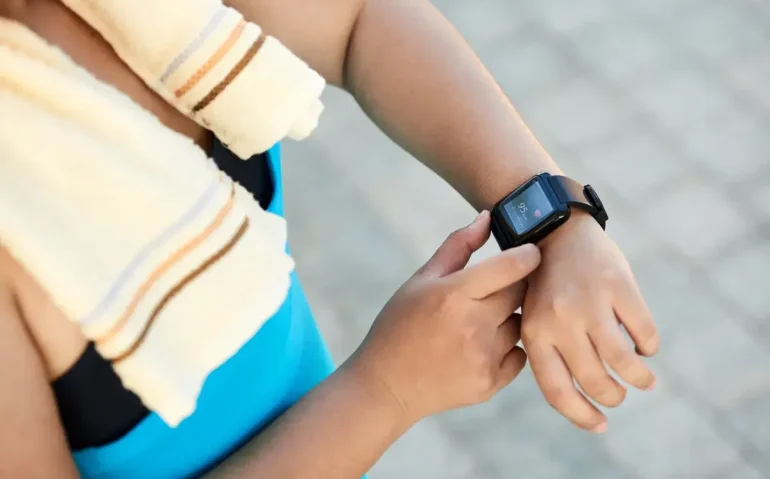
We live in the age of the “Quantified Self.” From smart rings that track our sleep to patches that monitor glucose levels in real-time, our bodies are constantly generating data. While these gadgets offer unprecedented insights into our well-being, they also raise a chilling question: In the rush to optimize our health, are we sacrificing our most intimate privacy?
The Biometric Gold Mine
In 2026, health data is more valuable than credit card numbers on the dark web. Why? Because while you can change a password, you cannot change your DNA or your heart’s electrical patterns.
The Legal Misconception
Many users believe their wearable data is protected by the same strict laws as hospital records. This is a dangerous myth. Most wearable companies are legally classified as “consumer tech,” not “healthcare providers.” This means the data they collect is often governed by standard Terms of Service rather than medical privacy regulations.
The Hidden Risks of 24/7 Monitoring
As our devices become more sophisticated, the risks associated with our “digital shadows” grow:
- Data Monetization: Aggregated health data is often sold to researchers, advertisers, and data brokers. They use this to build “health profiles” that predict future consumer behavior or purchasing power.
- The Insurance Dilemma: We are entering an era where insurance companies are paying close attention to wearable trends. There is a growing concern that your premiums could eventually be influenced by your activity levels or heart rate variability.
- Legal Sensitivity: Biometric data is increasingly being used in legal contexts. Your digital records can be used as evidence of your physical state or location at a specific time, creating a trail of information you cannot erase.
The AI Integration Factor
The rise of Generative AI in health tech means devices no longer just show you numbers; they provide “coaching.” However, for an AI to tell you why you are stressed, it often needs to process your data in the cloud. This creates more touchpoints where your most sensitive information could be vulnerable to breaches or unauthorized access.
How to Protect Your Biological Data
You don’t have to stop using your favorite fitness tracker, but you should be a conscious user. Here is how to regain control:
- Read the “Privacy Labels”: Before installing a health app, check the permissions. Does it really need your GPS location to measure your heart rate?
- Enable Local Processing: Look for devices that offer “On-Device” processing. This ensures your biometric metrics are analyzed locally on the gadget and never leave the hardware.
- Audit Your Permissions: Periodically revoke Bluetooth and background sync permissions for any health app you aren’t actively using.
- Avoid Social Linking: Don’t link your health profiles to your primary social media accounts. This prevents data brokers from easily connecting your medical stats to your public identity.
Health is Wealth, Privacy is Freedom
The benefits of wearables are undeniable—they can detect early signs of illness and motivate us to move. However, as we move further into 2026, the best “feature” a wearable can offer isn’t a new sensor; it’s a guarantee of total privacy. Our heartbeats and sleep cycles belong to us, not to a database.