
We are taught that moving to the “Cloud” is a win for the planet. We use less paper, we don’t buy physical DVDs, and we drive less because we work digitally. However, the Cloud isn’t a magical, weightless place. It is made of steel, plastic, silicon, and billions of gallons of water.
Behind every “like,” every streamed video, and every AI query lies a massive physical infrastructure that is quietly heating the planet.
The Physicality of the Digital World
When you save a photo to the Cloud, it doesn’t float in the air. It travels through undersea fiber-optic cables to a Data Center—a football-field-sized warehouse filled with thousands of humming servers.
1. The Energy Hunger
Data centers currently consume about 1% to 2% of global electricity. While that sounds small, it is equivalent to the power consumption of entire countries like Italy or Spain. As we integrate Resource-heavy technologies like AI (which requires significantly more power than a standard Google search), this demand is projected to skyrocket.
2. The Water Crisis
Servers generate immense heat. To prevent them from melting, data centers use massive cooling systems. Many of these systems rely on evaporative cooling, which consumes billions of gallons of fresh water. In drought-prone areas, tech giants often compete with local communities for water resources.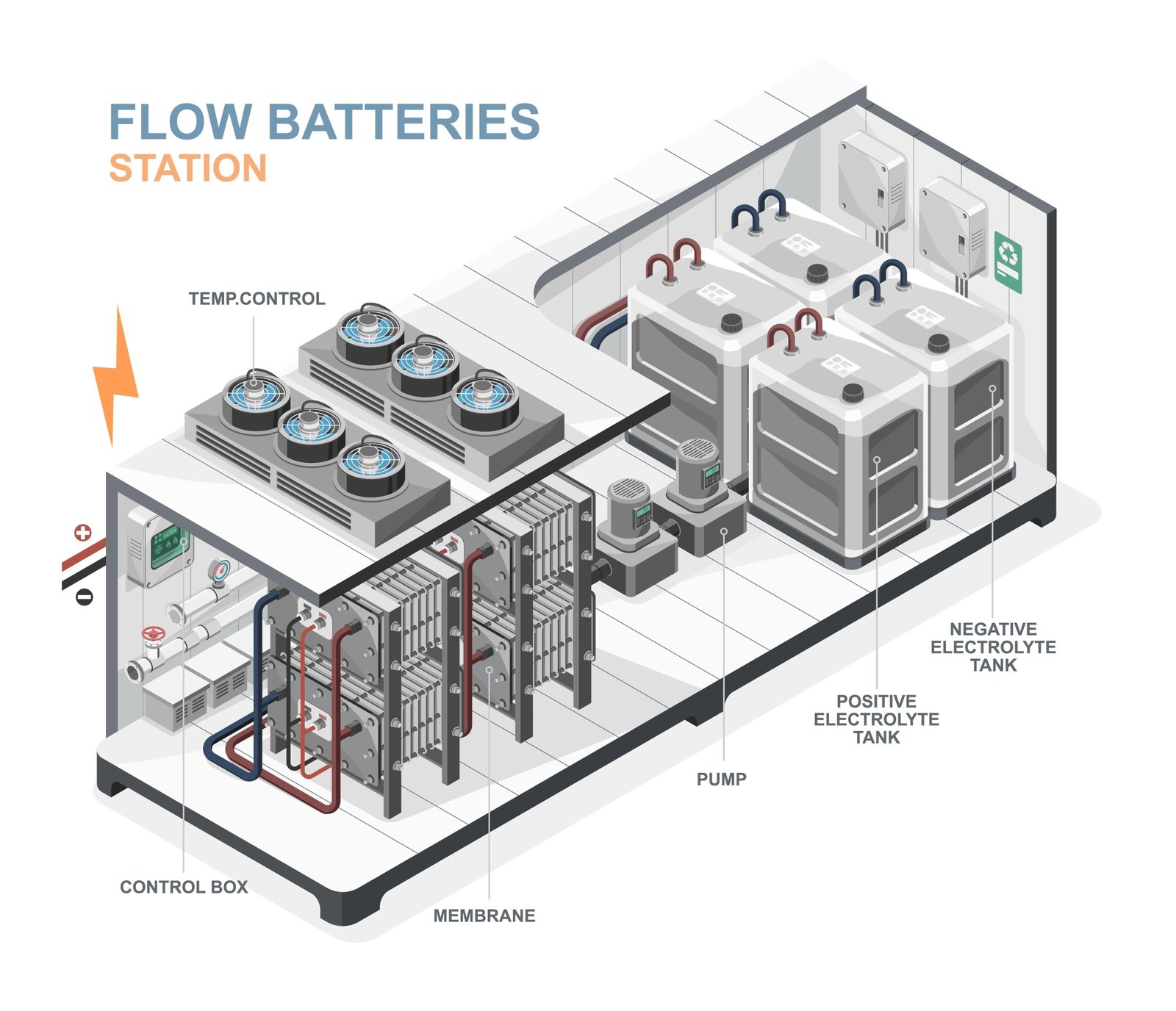
Shutterstock
3. Electronic Waste (e-Waste)
The hardware inside the Cloud has a short lifespan. To keep up with processing demands, servers are replaced every 3 to 5 years. This creates a constant stream of “cloud trash”—rare earth metals and toxic components that are difficult to recycle.
The “AI Tax” on the Environment
Training a single large language model can emit as much carbon as five cars over their entire lifetimes. Every time we ask an AI to generate an image or a complex code snippet, a server in a data center spins up, drawing power and generating heat. This is the hidden environmental cost of the current AI boom.
How to Practice “Digital Hygiene”
We don’t have to stop using the internet, but we can be more intentional. Here is how you can reduce your personal digital footprint:
- Clean your Cloud: Delete old backups, blurry photos, and videos you no longer need. Storing “dark data” uses energy 24/7.
- Unsubscribe from Junk: Every promotional email sent and stored has a tiny carbon footprint. Multiplied by billions, it adds up.
- Lower the Resolution: Do you really need that background video in 4K on a 6-inch phone screen? Switching to 1080p saves significant bandwidth and energy.
- Support Green Tech: Choose services that use 100% renewable energy for their data centers.
Making the Cloud Transparent
The first step toward a sustainable digital future is transparency. We need to stop viewing the internet as an infinite, cost-free resource and start seeing it for what it is: a massive industrial complex. By practicing digital hygiene and demanding greener infrastructure, we can ensure the Cloud stays blue, not grey.