
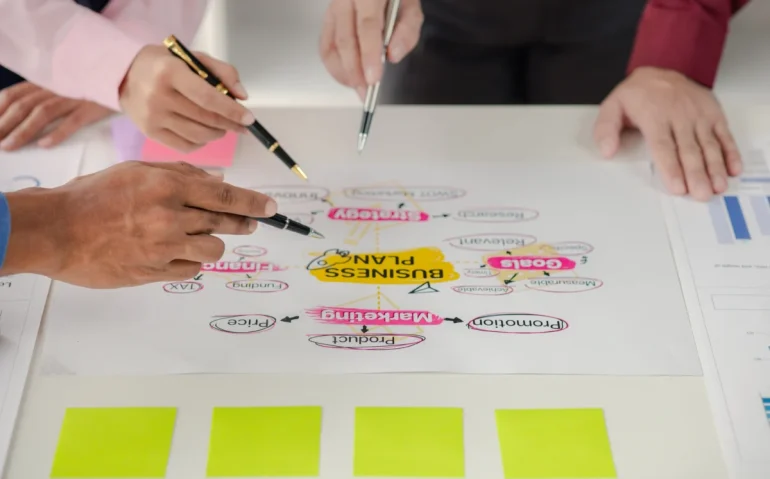
NotebookLM just rolled out a meaningful upgrade, and if you use it for research, note organization, or AI-powered synthesis, this is one of those updates that actually matters. The big change is simple: NotebookLM mind maps are now customizable.
That might sound small at first, but it changes how useful the feature becomes in practice. Instead of accepting whatever structure NotebookLM generates, you can now guide it. You can restrict what it includes, tell it what to focus on, or directly instruct it on what kind of mind map to create.
For anyone trying to be smarter with AI and get more precise outputs from their tools, this is a major step forward. It gives one of NotebookLM’s most valuable features something it was missing: control.
Why This NotebookLM Update Matters
NotebookLM has become popular because it turns source material into something easier to work with. Instead of manually pulling apart documents and rebuilding them into summaries, notes, or frameworks, you can use AI to help organize the information for you.
Mind maps are one of the clearest examples of that value. They help transform a pile of information into a visual structure that shows:
- Main topics
- Subtopics
- Relationships between ideas
- Areas worth exploring further
The problem before this update was that mind maps were useful, but fixed. If the AI emphasized the wrong area, grouped things in a way you did not want, or included information that was too broad, you had limited ability to steer it.
Now that customization has arrived, the feature becomes much more practical. You are not just generating a mind map. You are shaping one.
The Core Upgrade: Customizable Mind Maps
The new functionality adds the ability to customize your NotebookLM mind maps directly. That means you can insert instructions and control how the map is created.
Three use cases stand out immediately:
- Restricting content so the map does not include certain areas
- Focusing on one topic so the output stays narrow and relevant
- Telling NotebookLM what to create so the structure better matches your intention
That is a big deal because mind maps are only as helpful as their framing. A broad, generic map can be interesting, but a focused map is usually what helps you make decisions, write faster, or understand a topic more deeply.
What “Customization” Actually Unlocks
Customization sounds like a feature checkbox until you think about how often AI gets close, but not quite close enough.
You ask for a summary and it is technically correct, but too general.
You generate a visual structure and it captures the content, but not the angle you care about.
You want a framework for one specific goal, but the tool gives you an overview of everything.
This update helps solve that.
By letting you guide the mind map, NotebookLM becomes more usable for targeted work. Instead of adapting your workflow to the AI, you can adapt the AI to the job.
1. Restrict What the Mind Map Includes
Sometimes the biggest problem with AI-generated organization is not missing information. It is too much information.
When a tool pulls in everything, the result can feel cluttered. Important themes get buried under side topics, and the map becomes less useful as a thinking tool.
With custom mind map instructions, you can restrict the output. That means you can push NotebookLM away from sections, concepts, or types of material that are not relevant to your goal.
This is especially useful when:
- You are working with large or complex source material
- You only care about one part of a notebook
- You want to remove distracting branches from the final map
- You need cleaner outputs for planning or study
The result is a mind map that feels more intentional and less like a rough first pass.
2. Focus on a Single Topic
This may be the most immediately useful part of the update.
If you want NotebookLM to focus solely on a specific area, you can now say that directly. Instead of receiving a general breakdown of everything inside the notebook, you can zero in on the topic that matters most.
That makes the feature much more practical for real work.
For example, focusing a mind map around a single theme can help when you are trying to:
- Clarify one concept from a larger research set
- Prepare notes around one chapter or section
- Break down one argument or idea in depth
- Create a targeted planning or brainstorming asset
The difference here is subtle but powerful. General maps help you explore. Focused maps help you execute.
3. Tell NotebookLM What to Create
The most important phrase in this update might be this: you can tell it what to create.
That shifts NotebookLM from a passive organizer into something more collaborative.
Instead of hoping the generated structure matches what you had in mind, you can direct the result upfront. That does not just improve convenience. It changes the quality of the output.
When you can define the intended outcome, you are more likely to get a mind map that matches your objective rather than just reflecting the source material in a generic way.
And that is exactly where AI becomes more valuable: not when it produces something impressive, but when it produces something usable.
Why This Feels Like a Bigger Shift Than a Minor Feature Update
There is a reason this stands out. Customization was the missing piece.
NotebookLM has been steadily improving its features, but this mind map upgrade is notable because it appears to complete the customization story around one of the platform’s strongest tools. In other words, this was one of the last major NotebookLM features that still needed more user control.
Now that it has it, the platform feels more mature.
That matters because the future of AI tools is not just about generating outputs faster. It is about making those outputs adaptable. Raw automation is useful, but guided automation is where the real leverage comes from.
Mind maps are a perfect example. A default mind map can be interesting. A customized mind map can become part of an actual workflow.
How This Improves Real AI Workflows
Even without adding extra complexity, this update improves how people can use NotebookLM day to day.
Here is what gets better when mind maps become customizable:
Cleaner idea organization
When you can restrict or focus the output, the map becomes easier to scan and more useful for thinking.
Better research synthesis
Instead of getting a broad breakdown of every topic in your materials, you can steer the AI toward the research angle that actually matters.
More relevant outputs
The generated map is less likely to include branches that feel interesting but irrelevant.
Less time rewriting or regenerating
If you can shape the structure from the start, you spend less time trying to force a generic output into a more specific use case.
Stronger collaboration with AI
This is the big one. You are no longer just receiving an AI-generated artifact. You are directing its creation.
What This Says About the Direction of NotebookLM
This update points to a broader pattern in AI product design.
The most useful tools are moving away from one-click novelty and toward adjustable intelligence. Users do not just want an answer. They want a way to shape the answer.
NotebookLM adding customizations for mind maps fits that trend perfectly.
It suggests that the platform is becoming less about static AI assistance and more about guided knowledge work. That is a much stronger position for a tool meant to help with reading, synthesis, and understanding.
If you rely on AI to help organize information, this is exactly the kind of update you want to see. It keeps the speed benefits of AI while adding more precision.
Best Ways to Think About This Feature
If you want to get more value from the new NotebookLM mind maps feature, the mindset matters as much as the tool.
Rather than treating customization like a bonus, think of it as the main feature. The visual map is the output, but the instruction is what determines whether that output becomes truly useful.
A good way to approach it is to ask:
- What do I want this map to help me understand?
- What should be excluded so the output stays clean?
- What single area deserves the most attention?
- What kind of map would actually help me think better?
The more clearly you define the purpose, the more likely NotebookLM is to create something that feels sharp rather than scattered.
Why Mind Maps Remain One of NotebookLM’s Best Features
There is a reason mind maps rank among the top NotebookLM features for many people. They compress complexity in a way plain summaries often cannot.
Summaries tell you what is there.
Mind maps help show how ideas connect.
That makes them especially useful for:
- Understanding dense material
- Spotting patterns across concepts
- Exploring relationships between topics
- Getting a fast structural overview
- Creating a foundation for deeper work
Once you add customization to that, the feature becomes significantly more flexible. Instead of serving only as a general overview tool, it can now support narrower and more intentional thinking.
Final Take
NotebookLM’s new mind maps feature is not just a visual upgrade. It is a control upgrade.
Being able to customize the map, restrict what appears, focus on one topic, and tell NotebookLM what to create makes the feature dramatically more useful. It turns mind maps from a nice AI-generated bonus into a more deliberate thinking tool.
And honestly, that is the kind of AI progress that matters most. Not flashy for the sake of flashy. Practical. Targeted. Better aligned with how real work actually happens.
If you are using NotebookLM already, this is one of the first updates worth trying. If you are exploring ways to be smarter with AI, this is a great example of what modern AI tools should be doing more of: giving you better outputs because they give you better control.
If this kind of AI feature breakdown is useful to you, explore more articles on AI productivity, research workflows, and the latest NotebookLM features, and share this piece with someone building smarter systems with AI.
FAQ
What is new in NotebookLM’s mind maps feature?
NotebookLM now allows users to customize mind maps. You can guide what the map includes, restrict certain content, focus on a specific topic, or tell the tool what kind of mind map to create.
Why is customizable mind mapping important in NotebookLM?
It makes the output more relevant and practical. Instead of accepting a generic AI-generated structure, you can shape the map around your exact goal, which leads to cleaner and more useful results.
Can I make NotebookLM focus on just one topic in a mind map?
Yes. One of the key improvements is the ability to tell NotebookLM to focus solely on a specific area, rather than generating a broad map of everything in the notebook.
Can I exclude information from a NotebookLM mind map?
Yes. The update allows you to restrict parts of the output, which helps remove unnecessary branches and keeps the map aligned with what you actually need.
Is this one of the biggest recent NotebookLM upgrades?
It is a significant upgrade because it adds customization to one of NotebookLM’s standout features. That extra control can make a major difference in how effective the tool is for research and idea organization.





