ChatGPT’s new image generator, ChatGPT Images 2.0, is a massive leap forward. This is not a small refresh or a minor quality bump. It is faster, more accurate, much better at text, stronger across multiple languages, more flexible with editing, and far more believable when it comes to realism and design work.
If you have used AI image generation before, you probably remember the usual problems. Weird text. Broken hands. Strange layouts. Designs that looked almost right until you zoomed in and everything fell apart. ChatGPT Images 2.0 pushes past a lot of that. The difference is obvious the second you start using it.
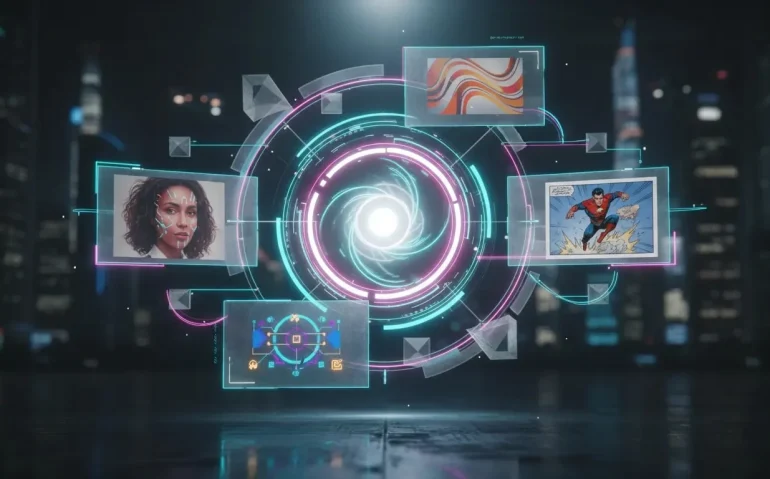
What makes this update especially exciting is that it is not just for making pretty pictures. It can create headshots, comics, infographics, posters, invitations, mockups, screenshots, social media assets, and educational visuals. It also lets you transform existing photos and make targeted edits without jumping through a bunch of extra tools.
For anybody working with content, branding, social posts, design ideas, or visual storytelling, this is a big deal.
What Is ChatGPT Images 2.0?
ChatGPT Images 2.0 is OpenAI’s upgraded image generation experience inside ChatGPT. The update focuses on a few major improvements:
- Faster image creation
- Better creativity and detail accuracy
- Photo transformation and editing
- Improved text rendering inside images
- More accurate results across languages
- Higher realism and stylistic control
- Flexible aspect ratios
- Better real-world understanding
The easiest way to think about it is this: ChatGPT is no longer just generating images from prompts. It is becoming a practical visual creation tool.
How to Access the New ChatGPT Image Generator
Getting started is straightforward. Inside ChatGPT, click the plus icon and choose Create image. From there, ChatGPT shows a quick overview of what is new and what kinds of visuals you can make.
Right away, the platform highlights several common use cases:
- Transforming selfies into professional headshots
- Removing or replacing backgrounds
- Making comics and graphics
- Designing birthday cards and invitations
- Creating infographics and diagrams for complex topics
It also offers preset ideas to help you get going fast. Some of the examples include:
- Studio headshot
- Blueprint poster
- Nighttime flash
- Anime comic
- Icon designs
- Fantasy newspaper
- Infographic poster
- Film strip
- Tarot card
- Enhanced photos
- Interior design
These presets are useful, but they are not limits. You can still type your own custom prompt or upload an existing image and tell ChatGPT exactly what to do.
One of the Best New Features: Editing Existing Photos
This is where things get especially practical.
You can drag an image into ChatGPT and ask for a transformation. A simple example is taking a casual headshot and turning it into something more polished and professional. For instance, you can upload a photo and ask ChatGPT to make it look more professional, add a suit, and improve the background.
The result is not just a filter slapped on top. In strong examples, it preserves core facial details like teeth, eyes, facial structure, and hair while upgrading the clothing, lighting, and environment. That makes it feel much closer to a true photo transformation than a generic AI remix.
On top of that, the new image generation experience is clearly faster. Instead of long waits, the process feels more responsive, showing a more dynamic generation flow before producing the final image.
Once the image is ready, you can:
- Download it
- Share it directly
- Copy a link
- Open the editor for more changes
New Editing Controls Make a Huge Difference
ChatGPT Images 2.0 does not stop at generation. It also adds much better edit controls.
You can now select parts of an image and tell ChatGPT to edit only that specific area. That is incredibly useful for targeted changes like:
- Changing clothing
- Replacing a background section
- Adjusting an object
- Cleaning up a visual element
Another major upgrade is aspect ratio control. Instead of being stuck with one framing, you can switch between formats such as:
- Square
- Landscape
- Portrait
- Story
- Ultra-wide
- Widescreen
- Tall
- Standard
- Wide
This matters a lot if you create content across platforms. A social post, YouTube thumbnail concept, mobile story graphic, and presentation slide all need different dimensions. Now you can adapt without rebuilding the whole image from scratch.
Greater Precision and Control
One of the biggest promises of ChatGPT Images 2.0 is greater precision. That means the system can handle more specific, detailed, and structured prompts and actually deliver what you asked for.
That sounds basic, but in AI image generation it is a huge deal. Older systems often understood the vibe of a prompt better than the exact details. This update appears much stronger at turning a detailed creative brief into a coherent final image.
A few examples really show this off:
1. Fake browser screenshots that look real
One standout example is generating a screenshot of ChatGPT in a browser on a Mac. That may sound simple, but it is a powerful use case. Being able to create realistic UI mockups or B-roll style visuals opens up a lot of creative possibilities for demonstrations, presentations, and content assets that never physically existed.
2. Complex editorial design
Another example is a magazine collage built around a visual theme. These layouts include multiple colours, layered elements, strong typography, and sophisticated structure. The impressive part is that the composition stays coherent instead of turning into visual chaos.
3. Hyper-realistic object photography
Even something as simple as a mound of rice can show how much the model has improved. When a basic object looks convincingly realistic, that is often a good sign the generator has become much better at texture, lighting, and physical detail.
4. Accurate magazine pages and handwritten documents
There are also examples of science magazine layouts and even handwritten essays with realistic little touches like spilled water. Those examples matter because they combine layout, typography, realism, and context all at once. Earlier image models usually broke down when too many of those factors were involved.
That is one of the clearest signs that this upgrade is real: the text and formatting are not constantly falling apart anymore.
It Is Much Better Across Languages
This is another huge improvement that should not get overlooked.
Older image generation models were generally more reliable in English and other Latin-script languages. Once prompts or image text moved into more complex multilingual territory, quality often dropped fast. Characters became distorted, words became gibberish, and layouts stopped making sense.
ChatGPT Images 2.0 appears much stronger here.
Examples shown include visuals generated with:
- Japanese text
- Indian bookstore signage and materials
- Chinese comic design
- Korean advertising
- Multi-language typography posters
The standout point is not just that multiple languages are present. It is that the text looks accurate, the styling fits the context, and the image still feels cohesive. That opens the door for far more useful international design work, localized creative assets, and multilingual educational content.
For brands, educators, creators, and marketers working beyond English-only content, this is a very meaningful upgrade.
Realism and Style Have Been Pushed Way Further
If there is one area where ChatGPT Images 2.0 feels genuinely shocking, it is the combination of stylistic sophistication and photorealism.
The examples range from candid photography to cinematic scenes to disposable-camera nostalgia, and the quality is consistently impressive.
Candid and cinematic photography
Some outputs look like they came straight from a professional shoot or a film still. Lighting, wrinkles in clothing, skin texture, shadow detail, and environmental mood all come together in a way that feels much more believable than earlier generations of AI imagery.
Surreal portraiture
Even surreal compositions, like portraits with unusual props or animals, hold together much better. There may still be occasional small issues, but overall the realism is strong enough that many people would not immediately assume the image is AI-generated.
Street photography and disposable camera aesthetics
This is where the model gets really fun. It can reproduce visual styles that feel tied to specific eras or shooting formats. Disposable camera images, gritty street photography, and fashion-book style outputs all show strong control over texture, colour, tone, and atmosphere.
The broader takeaway is simple: this model is better at creating images that feel like they belong in the real world, even when the subject is imagined.
Style Variety Is One of Its Biggest Strengths
ChatGPT Images 2.0 is not just about realism. It can also swing hard into stylized creative work.
Some of the styles highlighted include:
- Movie poster
- Mid-century pastel comic
- Modern indie comic
- Character sheet
- Studio artifacts
- Art deco book design
- Traditional Chinese painting
That range matters because a good image model should not force everything into the same polished AI look. Different projects need different aesthetics. A social ad, comic panel, event invitation, poster concept, and presentation infographic should not all feel like they came from the same visual factory.
Based on the examples, ChatGPT Images 2.0 is much better at matching the requested style while keeping the image coherent.
Real-World Intelligence Makes the Outputs More Useful
One especially important upgrade is that the model has a more current understanding of the world, with a stated knowledge cutoff of December 2025.
Why does that matter for images?
Because many useful image requests are not purely artistic. They are informational. If you are making an explainer, educational chart, trend summary, or visual breakdown of a topic, accuracy matters just as much as aesthetics.
With stronger real-world context, ChatGPT Images 2.0 should do a better job creating:
- Educational graphics
- Visual summaries
- Explainer diagrams
- Trend-based social media assets
- Contextually accurate infographics
That makes it more than a creative toy. It becomes a practical assistant for visual communication.
The “Thinking Model” Is Part of Why This Feels Better
Another reason this update stands out is that it appears to benefit from ChatGPT’s broader reasoning ability. The model can take more time and work more agentically behind the scenes to understand and execute a task.
In plain English, that means it is not just painting pixels from keywords. It is doing a better job of understanding intent.
That shows up in use cases like:
- Creating social media assets
- Building comics
- Generating infographics
- Producing structured visual layouts
When an image tool starts understanding what the task is really trying to accomplish, the outputs become much more useful.
Integration With API and Creative Tools Expands the Opportunity
ChatGPT image generation is also expanding beyond the chat interface.
According to the rollout details, GPT Image 2 is coming to:
- The API
- Codex
- Canva
- Figma
- Adobe
- OpenArt
This is a big deal. Once image generation plugs directly into the tools people already use for design, development, and production workflows, it becomes far easier to integrate AI visuals into real projects instead of treating them as isolated experiments.
If you want official product context, OpenAI’s main site is the best place to monitor updates and availability: OpenAI.
Are There Any Limitations?
Yes. Even with all these upgrades, it is not perfect.
Very complex requests can still be challenging. That is normal for any image model, especially when a prompt includes lots of fine-grained layout instructions, many objects, highly specific composition demands, or edge-case details.
So while this is a huge upgrade, it is still smart to treat it as a powerful creative assistant rather than a flawless one-click replacement for every design workflow.
Why This Update Matters So Much
The biggest story here is not just that the images look better. It is that the tool is becoming more useful.
ChatGPT Images 2.0 can now help with:
- Professional headshots
- Marketing graphics
- Comics and storytelling
- Event materials
- Educational visuals
- UI mockups and fake screenshots
- Localized multilingual design
- Fast concept generation
That is what makes it feel different from earlier AI image releases. This is not just about making cool art. It is about giving people the ability to create useful visual assets quickly, with better control and much fewer weird mistakes.
It also raises the stakes. As realism improves and generated images become harder to distinguish from real photographs or real design artifacts, the line between synthetic and authentic media gets blurrier. That is exciting from a creative standpoint, but it also means people need to be more thoughtful and critical about the images they encounter online.
Best Use Cases for ChatGPT Images 2.0
If you are wondering where this model shines most right now, these are some of the strongest use cases highlighted by the update:
- Upgrading profile photos into professional headshots
- Creating social media graphics in multiple formats
- Building comics, posters, and stylized visual concepts
- Designing infographics and educational explainers
- Generating realistic marketing or editorial mockups
- Creating multilingual visuals with accurate text
- Producing visual B-roll assets that would be hard to capture manually
Final Thoughts
ChatGPT Images 2.0 looks like one of the most important image generation upgrades so far. It is faster, more polished, more accurate with text, stronger across languages, and much more flexible for real creative work.
The headshot editing alone is useful. The infographic and comic generation are useful. The improved realism is useful. The aspect ratio controls are useful. And once API and tool integrations kick in, the practical value gets even bigger.
There are still limitations, and some edge cases will still trip it up. But compared to where AI image generation started, this is a massive step forward.
If you create content, design assets, educational materials, or marketing visuals, this update is worth paying attention to.
And honestly, “insane” is not an overstatement.
FAQ
What is ChatGPT Images 2.0?
ChatGPT Images 2.0 is the upgraded image generator inside ChatGPT. It adds faster generation, stronger editing tools, better realism, improved text rendering, more language support, flexible aspect ratios, and more accurate visual outputs overall.
How do I use the new ChatGPT image generator?
Inside ChatGPT, click the plus icon and select Create image. You can start from a preset, type your own prompt, or upload an image and ask ChatGPT to transform or edit it.
Can ChatGPT Images 2.0 edit existing photos?
Yes. You can upload a photo and ask ChatGPT to modify it, such as making a casual portrait look more professional, changing clothing, replacing a background, or editing specific selected areas of the image.
Is ChatGPT Images 2.0 better at generating text inside images?
Yes. One of the biggest improvements is much better text accuracy inside images like magazine pages, posters, ads, comics, and educational graphics. This is a major upgrade from earlier AI image tools that often produced broken or unreadable text.
Does the new image model support multiple languages?
Yes. The model is significantly stronger across languages, including examples with Japanese, Chinese, Korean, and other multilingual layouts. It handles non-English text much more accurately than earlier image generation systems.
What are the best use cases for ChatGPT’s new image generator?
Some of the strongest use cases include professional headshots, social media graphics, infographics, comics, posters, invitations, fake UI screenshots, multilingual marketing assets, and educational visuals.
Can ChatGPT Images 2.0 be used with other design tools?
Yes. The rollout mentions support through the API and integration with tools such as Codex, Canva, Figma, Adobe, and OpenArt.
Are there still limitations?
Yes. Very complex image requests can still be difficult, and the model is not perfect. But it is a major improvement over earlier versions and appears to be one of the strongest image generation options currently available.