


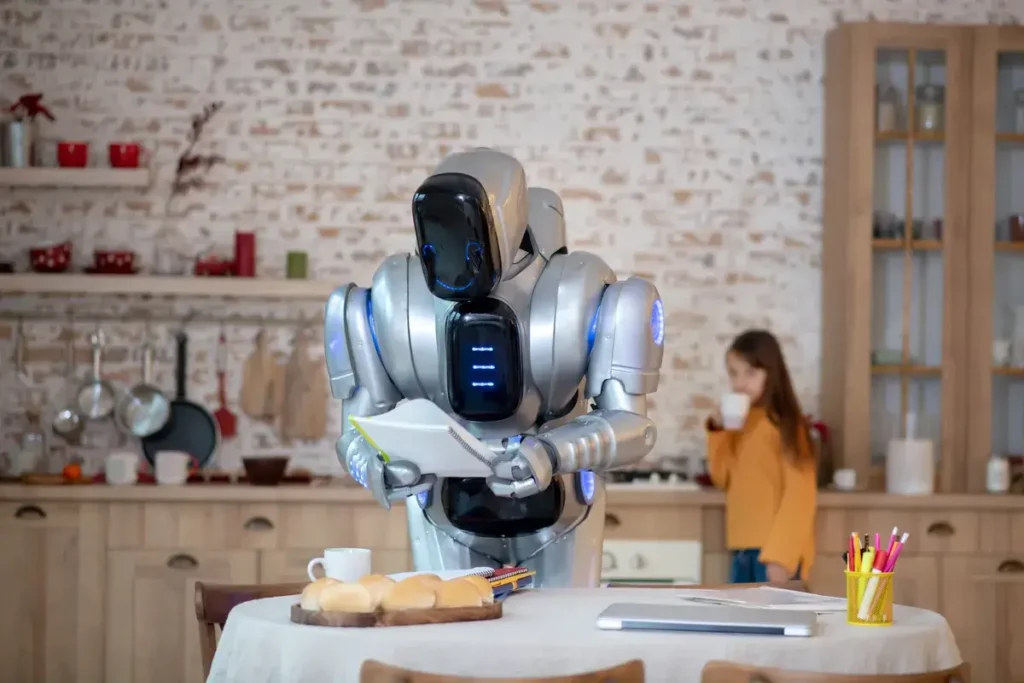
The age of affordable humanoid robotics is here: machines that can clean, cook, and even keep an eye on your pets now cost less than a used family sedan. Before you pull out your credit card, however, it pays to understand the genuine opportunities—and the hidden pitfalls—of owning a mechanical housekeeper. This guide dives well below the glossy marketing to give you a practical, detail-rich roadmap.
1. Why You Might (or Might Not) Want a Robot Butler
A humanoid robot is more than a novelty. For households with mobility-limited members, dual-career parents, or tech-savvy early adopters, the device can save time and improve quality of life. Yet a robot also introduces maintenance chores, new expenses, and potential security risks. Decide first whether automation fatigue—the feeling that controlling one more gadget is a chore in itself—applies to you.
2. Understanding the Spec Sheet
Form Factor and Dexterity
Height, reach, and degrees of freedom in the arms matter if you expect it to unload a dishwasher or fold laundry. Look for ≥16 DOF per arm for complex household tasks.
Sensors and Perception
A mix of stereo cameras, LiDAR, force-torque sensors, and tactile pads allows safe navigation and gentle object handling. Ask for baseline numbers: depth accuracy < 3 mm at 2 m and collision-reaction latency under 10 ms.
Compute and Connectivity
On-board GPUs accelerate real-time vision. Prefer at least 50 TOPS (tera operations per second) plus Wi-Fi 6E and Thread support for seamless smart-home integration.
3. Budgeting Beyond the Sticker Price
The advertised “from $18 k” often excludes:
- On-site installation: $500–$2 000
- Software subscription: $50–$200/month for continuous updates and cloud processing
- Replacement parts: Joint actuators last ~18 months; arm actuator ≈ $600 each
- Li-ion battery packs: $400–$1 000 every 2–3 years
- Insurance riders: Home insurance may charge 5–10 % extra to cover robotic liability
4. Evaluating Vendors and Models
Compare at least three manufacturers. Vet them on:
- Service network size—number of certified technicians within 100 km of your home.
- Mean time between failures (MTBF)—≥5 000 h is respectable for domestic robots.
- Openness of the SDK—crucial if you plan custom behaviors.
- User community activity—forums, GitHub repositories, third-party skill stores.
5. Installation & Integration Checklist
- Clear at least 90 cm wide pathways in main rooms.
- Install floor-level fiducial markers if your model lacks high-precision SLAM.
- Reserve a 1 m² charging dock area, ideally on a non-carpeted surface.
- Connect to your home automation hub (Matter, HomeKit, or SmartThings) during initial setup to avoid later protocol conflicts.
6. Ongoing Maintenance Routines
Weekly
Wipe optical sensors with microfiber cloth; run self-diagnostic.
Monthly
Update firmware; inspect joint torque deviations; vacuum cooling vents.
Annually
Professional calibration of force sensors and replacement of silicone gripper pads.
7. Security and Privacy Considerations
Your robot is a roaming camera array with microphones. Take it seriously:
- Enable end-to-end encrypted video streams.
- Place physical lens covers for bedrooms or bathrooms if constant monitoring is unnecessary.
- Create a separate VLAN for all IoT devices and enforce least-privilege firewall rules.
- Review data retention policies; demand on-device processing for sensitive tasks when possible.
8. Legal & Ethical Dimensions
In most regions, the owner is liable for property damage or injury caused by autonomous devices. Check local statutes regarding:
- Robotic trespass (e.g., if the unit wanders outside and damages a neighbor’s property).
- Biometric data capture and consent laws for visitors.
- Labor replacement regulations if you employ human staff alongside the robot.
9. Future-Proofing Your Purchase
Look for modular arms, upgradeable sensor pods, and plug-and-play battery bays. A robot with a published roadmap for at least three major software releases is more likely to stay relevant for 5–7 years.
10. Decision-Making Quick Reference
Before signing the invoice, confirm that you can check every box below:
- I understand total five-year cost of ownership.
- There is certified technical support within a 2-hour drive.
- My home network and layout meet the robot’s operational needs.
- I have read and accepted the privacy policy and data handling terms.
- The household agrees on acceptable use boundaries (no bedroom patrols, etc.).
Buying a humanoid robot butler is no longer science fiction, but it is still a serious commitment. Treat the decision as you would the purchase of a car or long-term appliance: scrutinize specifications, calculate lifetime costs, and prepare for ongoing responsibilities. With informed planning, your new mechanical servant can become a reliable member of the household—one firmware update at a time.