


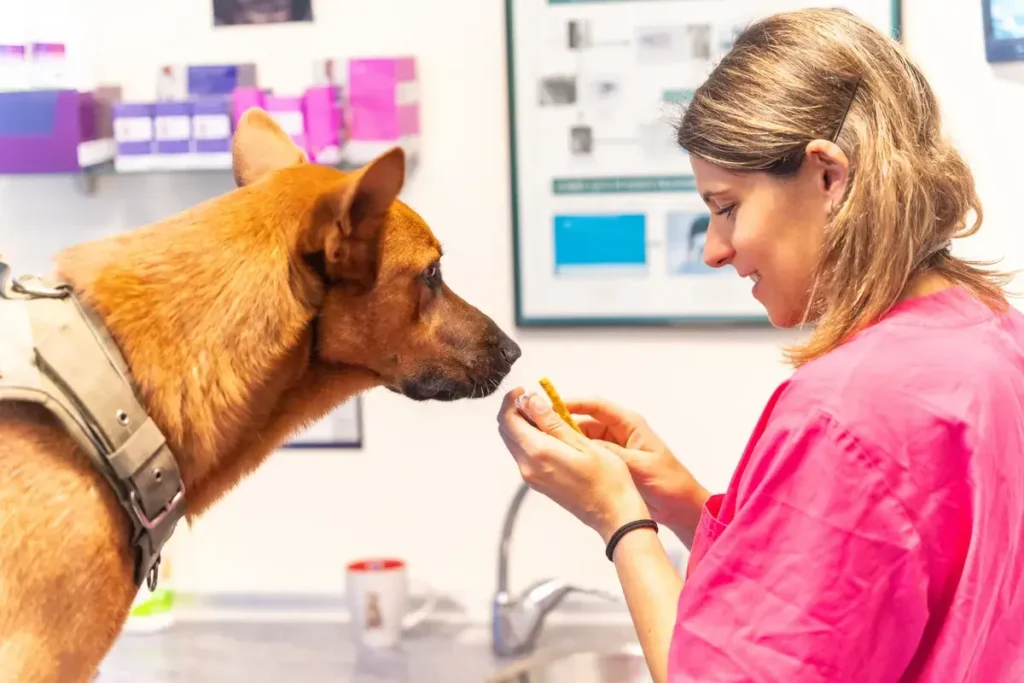
A groundbreaking approach to multi-cancer early detection (MCED) is being developed by SpotitEarly, a biotech company featured in the Startup Battlefield at TechCrunch Disrupt 2025. This Israeli-founded startup is pioneering an accessible, at-home test that screens for common cancers by analyzing human breath, combining the exceptional sense of smell of trained dogs with advanced Artificial Intelligence (AI).
While current MCED options, like Grail’s Galleri blood test or whole-body MRIs from Prenuvo or Ezra, can cost $2,000 or more, SpotitEarly is developing a unique and affordable alternative.
The Power of the Canine Nose Meets AI
SpotitEarly CEO Shlomi Madar states that the science is clear: dogs can be trained to detect disease, particularly cancer, in humans. Drawing on this, the company employs 18 trained beagles to discern cancer-specific odors in breath samples collected by users at home and shipped to the lab.
The key to the technology’s reliability lies in its AI validation platform. The dogs are trained to sit if they detect cancer particles. To ensure accuracy beyond human observation, SpotitEarly’s system monitors the dogs’ behavior and physiology:
- Cameras track their movement.
- Microphones capture breathing patterns.
- Heart rate monitors provide real-time data.
“The machine learning knows the baseline of the entire dog pack,” Madar said. “That’s what makes it more accurate than just a handler looking at a dog.”
The company’s research, published in Nature’s Scientific Reports, demonstrated that its bio-AI hybrid system can detect early cancer in breath samples with 94% accuracy. The study involved 1,400 individuals and focused on the four most common cancers: breast, colorectal, prostate, and lung.
U.S. Launch and Accessibility Goals
Founded in 2020, SpotitEarly announced its launch into the U.S. market in May with $20.3 million in funding. The capital will be used to significantly expand its clinical studies, starting with individual tests for breast cancer.
The at-home screening kits are expected to be available to consumers through a physicians’ network next year. The company aims to prioritize affordability and accessibility:
- A single cancer test will be priced at around $250.
- Screening for each additional cancer will cost a fraction of the first test.
- The final multi-cancer panel is intended to be priced below competitors like Grail’s Galleri test, which typically costs about $950.
Madar emphasized that the dogs are a valued part of the team, viewed as “great workers, but also great companions,” rather than just biosensors.
For those interested in learning more about this innovation and other cutting-edge startups, the company will be presenting at TechCrunch Disrupt, held October 27–29 in San Francisco.